8 Best Tire Inflators With a Digital Gauge (October 2026)
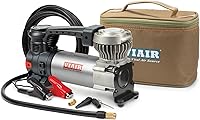
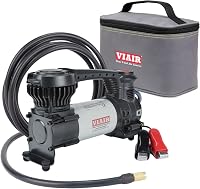
The best tire inflators with digital gauges include the Makita DMP180Z Inflator for Makita LXT owners, the Craftsman V20 Inflator for mixed household tasks, and the VIAIR EVC88P Digital 12V Inflator for larger vehicle tires.
On this page (6 sections)
The Makita DMP180Z Inflator is our top tire inflator with gauge controls for drivers who already have compatible 18V LXT batteries. Its backlit display and auto-stop make it a practical choice for routine tire top-ups.
Choose the Craftsman V20 if you need one inflator for household and vehicle use. The VIAIR EVC88P is the stronger match when longer hose reach and direct vehicle-battery power matter.
A readable display is only part of the choice. The inflator must also reach your wheels, connect to available power and suit the pressure and air volume your tires need.
For options across different formats, see our best portable tire inflators for cars, trucks and SUVs. Our best cordless tire inflators guide focuses on models you can move without a power cord.
Our picks at a glance
-
1

-
2

-
3

Which tire inflator with a gauge fits your setup?
Choose by power access and tire requirements first, then compare controls and storage. A convenient gauge cannot make up for an unsuitable power connection or a compressor that falls short of your tire needs.
We compared gauge controls, automatic shutoff, power sources, hose reach and accessories. The scores reflect those features and how each model fits routine tire care.
The Makita leads for existing LXT users, but it is not the default choice for every driver. Buyers without tool batteries should look closely at the corded and built-in rechargeable options before starting another battery system.
| Product | Best for | Power | Max pressure | Hose | Our score |
|---|---|---|---|---|---|
| Makita DMP180Z Inflator | Makita LXT owners | Makita 18V LXT battery | 830 kPa / 8.3 bar | 65 cm | 8.0 |
| Craftsman V20 Inflator | mixed household tasks | V20 battery, AC or 12V DC | 7.9 | ||
| VIAIR EVC88P Digital 12V Inflator | larger vehicle tires | 12V vehicle battery clamps | 120 PSI | 16 ft | 7.9 |
| Craftsman Dual Power Inflator | garage and roadside use | 12V DC or 120V AC | 29 in | 7.7 | |
| DeWalt 12V Digital Inflator | compact travel kits | Built-in battery or 12V DC car plug | 150 PSI | 7.6 | |
| VIAIR EVC31 PRO Wireless | cordless roadside checks | Rechargeable battery or 12V backup cable | 150 PSI | 30 in | 7.6 |
| VIAIR EVC85P Digital 12V | everyday car tires | 12V vehicle accessory outlet | 60 PSI | 7.3 | |
| ALL-TOP Dual Cylinder Kit | off-road tire setups | 12V | 150 PSI | 26 ft | 6.7 |
Makita DMP180Z Inflator: Best for Makita LXT owners
- Backlit digital pressure gauge
- Auto-stop function
- LED job light
- Built-in valve adapter storage
A practical choice for routine top-ups if you already use Makita LXT batteries. The backlit gauge, memory function and adapter storage keep common inflation tasks simple.
Pros
- Backlit gauge and LED job light
- Auto-stop and memory function
- Built-in storage for valve adapters
Cons
- Battery and charger not included
- Not compatible with G-Series batteries
The Makita DMP180Z makes the most sense if compatible LXT batteries are already part of your tool kit. You can use a familiar power system for vehicle tires, bicycles, sports balls and compatible leisure inflatables.
Its memory function helps when returning to a regular pressure setting. Check the target each time, especially if you switch between a bicycle and a car or move between vehicles.
The stable ground design lets you place the unit beside a wheel, while adapter storage gives small fittings a dedicated home. Position it so the hose reaches the valve without leaving the inflator hanging from the connection.
Skip this model if you want a ready-to-use purchase without separate battery equipment. The battery and charger are not included, and Makita G-Series batteries are incompatible.
For occasional car top-ups, a vehicle-powered model may fit your routine better. Our guide to tool-battery tire inflators explains when using an existing battery system is worth choosing.
Craftsman V20 Inflator: Best for mixed household tasks
- V20 battery, AC wall plug or 12V car adapter
- Digital PSI gauge
- Automatic shutoff
- Includes large-volume hose
Choose this model for tire care and household inflatables with several power sources available. Battery and charger are sold separately for cordless use.
Pros
- Three power sources
- Automatic shutoff at set PSI
- Includes Presta adapter, ball needle and large-volume hose
Cons
- Battery and charger sold separately
- Cordless use requires a compatible V20 battery
The Craftsman V20 is the pick for mixed household inflation jobs. It can draw power from a V20 battery, an AC outlet or a vehicle accessory connection, giving it more placement options than a single-source model.
Its large-volume hose matters if your jobs include air mattresses as well as tires. Those tasks need different airflow arrangements, so use the correct hose and adapter rather than trying to fill everything through a tire connection.
The ball needle, Presta adapter and small inflatable adapter broaden its uses around a home with bikes and sports equipment. Keep the fittings together so a missing adapter does not interrupt an otherwise simple job.
Buy it if you will use that flexibility or already have compatible V20 batteries. Skip it if you only want a small car emergency kit and have no need for household inflatables.
Cordless use requires a separately sold battery and charger. If vehicle power covers all your needs, our best 12V tire inflators guide offers a more focused comparison.
VIAIR EVC88P Digital 12V Inflator: Best for larger vehicle tires
- Preset pressure and auto shutoff
- Up to 120 PSI
- 16 ft air hose and 10 ft power cord
- Supports tires up to 33 in
Long hose reach and direct vehicle-battery power suit drivers maintaining larger tires. VIAIR specifies support for tires up to 33 inches.
Pros
- Preset pressure with automatic shutoff
- Long hose for reaching around vehicles
- Includes brass twist-on chuck, light and carry bag
Cons
- Requires access to a suitable vehicle battery
- Operating instructions call for a running engine
The VIAIR EVC88P suits drivers who want longer reach around a larger vehicle and are comfortable connecting battery clamps. VIAIR specifies support for tires up to 33 inches, giving buyers a useful tire-size limit alongside its pressure rating.
The 16 ft air hose and 10 ft power cord let you route the kit around wheels without keeping the compressor directly beside each valve. Lay out both before starting so they avoid hot engine parts and sharp edges.
Its brass twist-on chuck secures the hose to the valve. Start the threads straight and avoid forcing the fitting if it resists.
The stated duty cycle is 25 minutes at 30 PSI. Follow VIAIR's full operating and cooling instructions rather than treating that figure as permission to run continuously under every load.
Choose it for vehicle-based maintenance where battery access is straightforward. Skip it if opening the hood and attaching clamps would discourage regular use.
VIAIR calls for a running engine during operation. Use it outdoors, away from enclosed spaces.
Craftsman Dual Power Inflator: Best for garage and roadside use

- 12V DC car plug and 120V AC outlet
- Digital gauge with preset modes
- Auto shutoff
- LED work light
A corded option for drivers who want home-outlet and vehicle-plug use without maintaining a rechargeable battery. Confirm its pressure limit before choosing it for high-pressure tires.
Pros
- Works from vehicle or home power
- Preset modes and auto shutoff
- Includes carry bag and inflation adapters
Cons
- Short hose requires placement near each wheel
- Conflicting pressure figures need confirmation for high-pressure use
The Craftsman Dual Power Inflator fits drivers who want corded use at home and on the road without maintaining an inflator battery. Its home-outlet option is useful for scheduled checks in a driveway or garage.
Preset modes cover common inflation tasks, while a custom setting lets you select a specific target. Check that target against the vehicle recommendation instead of accepting a car or motorcycle mode unchanged.
The 29 in hose means you will place the unit near each wheel. Give the hose enough slack that vibration cannot pull against the tire valve.
Confirm the maximum operating pressure in the model's manual before choosing it for high-pressure tires. Craftsman's specifications contain both 125 PSI and 150 PSI figures, so that limit needs resolving for those applications.
Pick it if you have reliable outlet access and want to avoid charging routines. Skip it for inflating bicycles away from a vehicle or outlet, since both power options require a corded connection.
DeWalt 12V Digital Inflator: Best for compact travel kits

- Built-in 2600mAh battery
- 12V car plug power option
- Five preset modes
- Auto shutoff and LED light
A compact rechargeable option for car, bicycle and sports-equipment top-ups. Its vehicle-plug option adds flexibility, while the six-hour charge time calls for planning.
Pros
- Cordless and 12V power options
- Five modes and several pressure units
- Includes storage bag and adapters
Cons
- Battery charge time is 6 hours
- No stated number of tire fills per charge
The DeWalt 12V Digital Inflator is a fit for compact travel kits and small inflation jobs. Its built-in battery allows cordless use, while the car-plug option offers another way to power it.
The controls include car, motorcycle, bike, ball and custom modes. Select the pressure unit you normally use before entering a target, since a number in BAR means something different from the same number in PSI.
The rechargeable battery takes 6 hours to charge. Prepare it before a trip rather than assuming a short charging stop will restore enough power for several tires.
Choose it for routine top-ups where compact storage matters. Skip it if your plan depends on a guaranteed number of car-tire fills per charge, because no such capacity figure is available here.
This is the DXIF1201, with a built-in battery. When using our guide to using a DeWalt tire inflator, match the instructions to your exact model and its controls.
VIAIR EVC31 PRO Wireless: Best for cordless roadside checks

- Three built-in lithium-ion batteries
- 11 ft 12V backup cable
- Preset digital gauge and auto shutoff
- 30 in air hose
Cordless operation makes routine checks easy to fit around a parked vehicle, with a vehicle-power cable for backup. Keep both the charge and cable ready before travel.
Pros
- Cordless operation with 12V backup
- Preset pressure and auto shutoff
- Includes carry bag and USB cable
Cons
- Built-in batteries need charging
- Short hose requires the inflator to stay near the wheel
The VIAIR EVC31 PRO Wireless suits drivers who want cordless checks with vehicle power available as backup. That combination is useful when the inflator travels with the car but also handles bicycles or other jobs away from it.
Its 30 in hose gives some placement freedom beside a wheel. Put the unit on a supported surface rather than letting its weight pull on the valve.
The included 11 ft accessory-power cable belongs in the same kit as the inflator. Leaving it at home removes the main advantage of having a backup power option during travel.
VIAIR describes this model for passenger cars, light trucks, SUVs, motorcycles and e-bikes. Match it to routine pressure maintenance rather than assuming the pressure ceiling guarantees suitability for every large tire.
Choose it if charging before trips is realistic and you value moving freely between wheels. Skip it if you want a single power routine with no rechargeable battery to maintain; a dedicated 12V unit is simpler for that use.
VIAIR EVC85P Digital 12V: Best for everyday car tires

- Preset gauge and automatic shutoff
- Up to 60 PSI
- 10 ft power cord
- 3 ft air hose
An accessory-outlet choice for routine car and crossover tire care within its pressure range. Check that the vehicle outlet supports its 15 A maximum current.
Pros
- Preset pressure and auto shutoff
- No battery-clamp connection required
- Includes carrying bag, light and adapters
Cons
- 60 PSI maximum limits tire compatibility
- Requires an accessory outlet with suitable current capacity
The VIAIR EVC85P is a straightforward choice for routine car-tire care through an accessory outlet. It avoids battery clamps, making it a better fit for drivers who prefer connecting inside the vehicle.
Its 60 PSI maximum is a firm compatibility check. Skip it if any tire you plan to maintain requires pressure above that limit, including a spare with a higher target than your road tires.
Check the vehicle outlet's permitted load against the inflator's 15 A maximum current. A matching plug shape alone does not confirm that the electrical connection is suitable.
The 3 ft hose and 10 ft power cord should be checked against the farthest wheel before you depend on the kit. VIAIR gives a 20-minute duty cycle at 30 PSI, so follow the manual's cooling limits during longer jobs.
Buy it for ordinary car and crossover maintenance within those limits. As with the EVC88P, VIAIR calls for a running engine, which must operate outdoors.
ALL-TOP Dual Cylinder Kit: Best for off-road tire setups

- Dual-cylinder 12V compressor
- Separate digital pressure inflator gun
- 26 ft air hose
- 150 PSI maximum
A vehicle-based kit for drivers who prefer controlling airflow at a separate gauge gun. Its long hose helps with wheel access, but its weight makes it a poor fit for light travel kits.
Pros
- Digital pressure inflator gun included
- Long rubber hose
- Thermal cutoff and pressure safety valve
Cons
- Weighs 11.72 kg
- No preset tire-pressure shutoff
The ALL-TOP Dual Cylinder Kit fits a vehicle-based off-road setup where a separate inflator gun is useful. Its 26 ft rubber hose lets you control airflow at the wheel while the compressor stays farther away.
You squeeze the handle to add air and release it to stop. This is a different workflow from entering a target pressure and waiting for automatic tire-pressure shutoff.
ALL-TOP explains that the compressor can stop shortly after startup when the handle is closed because its pressure safety valve intervenes. That behavior should not be confused with reaching your tire's intended pressure.
The thermal cutoff and safety valve protect the equipment, but you still need to monitor the tire gauge. Protective controls do not select a suitable tire pressure.
At 11.72 kg, the kit needs deliberate storage and carrying space. Choose it if hose reach and control at the wheel justify the larger package.
Skip it for a light passenger-car kit or if preset shutoff is your main reason for buying a digital inflator.
What matters most when choosing a digital tire inflator?
Prioritize pressure compatibility, usable airflow and power access over the largest number on the box. Then check whether the controls and hose arrangement make regular tire care easy.
Does a tire inflator with a gauge need auto shutoff?
Auto shutoff is useful for routine top-ups because it stops inflation at the target you enter. All picks here except the ALL-TOP kit offer target-pressure shutoff.
A digital display alone does not provide that control, and neither feature chooses the correct pressure. Stay nearby so you can catch a loose connection, an incorrect setting or another problem.
Read pressure with airflow stopped when the manual calls for it. If a result seems wrong, reconnect the chuck and confirm it with a separate gauge before adding more air.
Why doesn't maximum PSI tell you inflation speed?
Maximum PSI describes pressure capability, not how quickly a pump fills a tire. A large tire needs more air than a smaller tire for the same pressure increase.
Free-flow figures also differ from airflow delivered against tire pressure. Compare speed claims only when tire size, starting pressure and ending pressure match.
For repeated truck or RV fills, check tire-size guidance and duty cycle alongside the pressure range. Our guide to what size tire inflator works for a truck or RV covers that decision in more detail.
Which power source will you actually keep ready?
Choose power you can use reliably in your normal parking and travel routine. A cordless inflator is convenient only if its battery is charged when you need it.
An existing tool-battery system can simplify charging, but confirm the exact battery family. A built-in battery avoids a separate tool pack while adding another device to your charging routine.
Vehicle-plug models need a compatible outlet, and clamp-powered models need suitable battery access. Check the vehicle manual before planning either connection, especially when the battery or approved connection points are not obvious.
How should you judge hose and cord reach?
Check the route from the power connection to every wheel, including the far side of the vehicle. Allow slack for safe placement instead of pulling the hose or cord tight.
Hose length and cord length serve different purposes. A long power cord helps place the compressor, while a long hose lets the compressor stay put as you move between wheels.
Consider valve position too. A short hose that works with the valve near the ground may be awkward when the valve sits at the top of the wheel.
How do you set up and use the gauge correctly?
Start with cold tires and the vehicle's recommended pressure, then make a secure valve connection before inflating. Correct setup matters more than choosing a preset mode.
Find the right target before connecting
Use the vehicle placard or manual for the recommended cold tire pressure. Check for different front and rear targets, load-related instructions and a separate spare-tire requirement.
Do not use the tire sidewall's maximum pressure as your normal inflation target. For bicycles and sports equipment, follow the relevant tire, wheel or equipment guidance instead of a vehicle setting.
Avoid bleeding air from warm tires simply to reach a cold-pressure target. Recheck when the tires are cold unless the vehicle instructions call for another approach.
Connect power and the valve without strain
Park safely, apply the parking brake and place the compressor on a stable surface. Route the cable and hose away from traffic, sharp edges and moving or hot parts.
Follow the manual's power-connection sequence. For any model requiring a running engine, work outdoors with the exhaust clear of doors, windows and enclosed spaces.
Remove the valve cap and attach the correct chuck or adapter. A continuing hiss calls for reseating the connection, not increasing the target to compensate.
Set the unit, inflate and verify
Select PSI or your preferred pressure unit, then enter the correct target. Watch the initial reading for an obvious mismatch before starting the compressor.
Stay nearby and follow the duty-cycle limits. A thermal shutdown is a protection feature, not the normal signal to take a cooling break.
Once inflation stops, check the final reading as directed and remove the chuck promptly. Replace the valve cap and investigate any tire that repeatedly needs air.
Our step-by-step portable tire inflator guide covers the full routine if you want a reference to keep with your kit.
Which mistakes cause the most trouble?
The main mistakes are using the wrong pressure target, overlooking power limits and expecting a top-up pump to solve tire damage. Avoiding them makes the inflator more useful than adding extra display modes.
A low tire needs inspection if it loses pressure repeatedly. An inflator adds air, but it cannot repair a puncture, damaged valve or sidewall.
Do not try to drive on a tire that will not hold pressure or shows visible damage. A tire driven while severely underinflated may need professional inspection even after it accepts air.
Avoid assuming a car preset is correct for every car. Stored settings can also carry over from the last job, so check both the target and unit before each use.
Do not replace a blown fuse with a higher-rated one to keep a compressor running. Check the correct fuse, outlet rating and connection instead.
A seasonal pressure drop can affect several tires at once. Our guide to tire pressure lights in cold weather explains why checking all tires is more useful than adding air only to the lowest one.
How should you store and care for an inflator?
Store the inflator cool, dry and ready to connect, with its hose and adapters protected. A useful emergency kit includes the correct power lead, not just the compressor.
Let the unit cool before packing it away. Coil the hose loosely and avoid sharp bends near the chuck or where it enters the housing.
Check for cracked hoses, worn cables, loose fittings and damaged plugs before use. Keep dirt away from valve fittings and wipe the housing according to the manual.
Follow the battery's storage and charging instructions rather than leaving it forgotten through long periods of heat or cold. Check its charge before travel and at regular intervals between trips.
Keep a separate pressure gauge and the needed adapters together with the inflator. Store the kit where you can reach it without unloading the entire cargo area.
Which tire inflator with gauge controls should you buy?
Buy the Makita DMP180Z if compatible LXT batteries are already available and routine top-ups are your main job. Choose the Craftsman V20 if household inflatables and several power sources are part of your plan.
For vehicle-based use, choose the VIAIR EVC88P when longer reach and its stated tire-size support matter. Pick the EVC85P when you prefer an accessory connection and every intended tire fits its pressure range.
The Craftsman Dual Power suits buyers who want home and vehicle cords without battery care. Choose the DeWalt or VIAIR EVC31 PRO for compact rechargeable use, keeping charge readiness and backup power in mind.
Reserve the ALL-TOP for buyers who want a separate gauge gun and can accommodate a larger kit. Its manual airflow control suits a different routine from preset-and-stop inflation.
Before ordering any tire inflator with a gauge, write down your tire targets and confirm power compatibility and reach. Start with our guide to finding the correct PSI for your car tires so the tool you choose fits the tires you maintain.
Our top 3 picks at a glance
-
1
-
2
-
3
Frequently asked questions
What does a digital gauge add to a tire inflator?
A digital gauge makes tire pressure easy to read, while preset controls let you enter a target on models that support them. A digital display alone does not guarantee accuracy or automatic shutoff.
Choose the correct pressure yourself, and use a separate gauge to confirm an unexpected reading.
Should I choose a battery or 12V tire inflator with a gauge?
Choose battery power for moving freely between wheels or inflating bicycles away from a car. Choose 12V power for vehicle-based use without keeping an inflator battery charged.
A dual-power model covers both needs, but you must still check cable reach, outlet compatibility and any separate battery requirements.
Can a digital tire inflator set the correct PSI automatically?
No, a digital inflator cannot determine the correct pressure for your particular vehicle, tires and load. Preset modes offer starting settings, while automatic shutoff stops inflation at the target you select.
Use the vehicle placard or manual for the recommended cold pressure, including any different front and rear settings.
What should I check before using a tire inflator?
Check the recommended cold tire pressure, the power connection, hose condition and the inflator's operating limits before you start. Place the unit where the hose reaches without pulling on the valve.
Keep cords away from traffic and moving parts, follow cooling instructions, and stay nearby while the compressor runs.