9 Best VIAIR Air Compressors (October 2026)
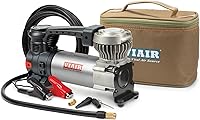
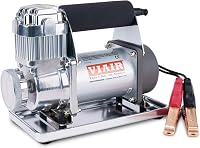
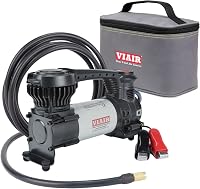
The best VIAIR air compressors include the VIAIR 88P 12V Compressor for everyday vehicle storage, the VIAIR 300P Compressor for truck tire maintenance, and the VIAIR 450P-RV Automatic for motorhome pressure checks.
On this page (6 sections)
The VIAIR 88P 12V Compressor is the best VIAIR compressor for most drivers who want a compact car, SUV or truck kit. Choose a digital EVC model for preset shutoff, an off-road kit for repeated pressure changes, or an RV kit for longer sessions and difficult valve access.
Your best choice depends on the work waiting beside the vehicle. Adding a few PSI before a commute calls for a different setup from restoring pressure in several large tires after a trail drive.
Start with tire size and required pressure, then check power access and hose reach. Controls come next: some models stop at a selected tire pressure, while others require you to stop inflation yourself.
For more choices across brands, see our best 12V tire inflators. Our tire inflator vs air compressor guide explains which format fits tire care and which jobs need a different kind of compressor.
Our picks at a glance
-
1

-
2

-
3

Which VIAIR compressor fits your vehicle and task?
The 88P fits routine vehicle tire care, while the truck, off-road and RV kits address different working demands. Use the comparison below to narrow the field, then read the product sections for reasons to buy or skip each model.
A higher pressure ceiling does not automatically make a compressor better for your vehicle. A useful hose, suitable controls and room to store the whole kit can matter more during regular use.
| Product | Best for | Maximum pressure | Airflow | Power | Our score |
|---|---|---|---|---|---|
| VIAIR 88P 12V Compressor | everyday vehicle storage | 120 PSI | 1.47 CFM free flow | 12V battery clamps | 9.2 |
| VIAIR 300P Compressor | truck tire maintenance | 150 PSI | 2.30 CFM free flow | 12V battery clamps | 8.7 |
| VIAIR 450P-RV Automatic | motorhome pressure checks | 150 PSI | 1.80 CFM free flow | 12V vehicle battery | 8.0 |
| VIAIR 400P EF Compressor | post-trail inflation | 150 PSI | 2.59 CFM free flow | 12V DC | 7.9 |
| VIAIR EVC88P Digital 12V Inflator | guided pressure top-ups | 120 PSI | 1.47 CFM free flow | 12V battery clamps | 7.9 |
| VIAIR EVC31 PRO Wireless | cordless commuting kits | 150 PSI | Rechargeable battery or 12V backup | 7.6 | |
| VIAIR 450P-RV EF Kit | dual-wheel RVs | 150 PSI | 2.19 CFM free flow | 12V DC SAE and battery clamps | 7.4 |
| VIAIR EVC85P Digital 12V | outlet-powered car care | 60 PSI | 1.26 CFM free flow | 12V vehicle accessory outlet | 7.3 |
| VIAIR 88P Off-Road | UTV storage setups | 120 PSI | 1.47 CFM free flow | 12V battery clamps or ring terminals | 7.2 |
VIAIR 88P 12V Compressor: Best for everyday vehicle storage
- 120 PSI maximum working pressure
- For tires up to 33 inches
- 16-foot air hose
- Built-in pressure gauge and LED work light
A compact kit for drivers who want a compressor that stays in the vehicle. Choose it if you can access the battery and prefer simple manual controls.
Pros
- Compact body and carry bag
- 16-foot hose and 10-foot power cord
- Includes inflation tips and Presta adapter
Cons
- Requires manual stopping
- Needs direct battery access
The 88P is the straightforward choice for drivers who want a small kit that stays with the vehicle. Its 9.8 x 3.2 x 5.6 in body weighs about 4.75 lb, making it easier to store than the larger truck and RV options here.
Battery clamps provide power, and the engine needs to run during inflation. Check that you can reach the correct battery connection points before choosing this format.
The 16-foot hose and 10-foot power cord give you flexibility around a passenger vehicle. The built-in gauge and LED work light keep the main controls and valve-area lighting in the kit.
A brass twist-on chuck attaches to the valve, while the included tips and Presta adapter cover compatible smaller inflation jobs. This is a sensible choice if you prefer an on/off switch to preset controls.
Skip it if automatic stopping is a priority. You must watch pressure and stop filling yourself, and larger RV tire work calls for a different model.
Read our VIAIR 88P review for a closer look at this compact format.
VIAIR 300P Compressor: Best for truck tire maintenance
- 150 PSI maximum working pressure
- 2.30 CFM free-flow capacity
- For tires up to 33 inches
- 25-foot hose with inline gauge
A truck and SUV kit for buyers who value airflow and hose reach over minimum size. The inline inflator and deflator supports pressure adjustments at the tire.
Pros
- Higher free-flow airflow than the 88P
- Long 25-foot air hose
- Dual-compartment carry bag
Cons
- Heavier than the 88P
- Must stop compressor to check pressure
The 300P suits truck and SUV owners who want more airflow and working reach than the standard 88P offers. Its 2.30 CFM free-flow capacity and 25-foot hose are the main reasons to accept a larger kit.
Both models support tires up to 33 inches, so moving to the 300P does not increase the tire-size limit. Buy it for the working setup rather than assuming a larger compressor serves any larger tire.
The 5-in-1 inflator and deflator hose lets you make pressure adjustments at the tire. Turn the compressor off before reading its inline gauge, as VIAIR directs.
Its 33% duty cycle at 100 PSI makes rest planning part of higher-pressure work. Direct battery power also means the engine must run and the power leads need a clear route.
At 8.7 lb, this kit is less appealing for someone who only wants occasional passenger-car top-ups. Skip it if minimum carrying weight or preset shutoff matters more than airflow and hose length.
VIAIR 450P-RV Automatic: Best for motorhome pressure checks
- Automatic compressor cycling
- 100% duty cycle at 100 PSI
- For Class A motorhome tires up to 42 inches
- 60 feet of total hose reach
An RV-focused compressor with automatic cycling and a gas station-style inflation gun. It suits owners moving between several tires without repeated trips to the power switch.
Pros
- Automatic cycling as air is used
- Supports extended inflation sessions
- Long reach for moving between tires
Cons
- Larger kit to carry and store
- No preset tire-pressure shutoff
The 450P-RV Automatic suits motorhome owners who want to move between tires without repeated trips to the compressor switch. Automatic cycling responds as you use the inflation gun.
Two 30-foot coil hoses provide 60 feet of combined reach. Lay out the route around your vehicle before relying on that length, since corners and obstacles use up working distance.
The close-ended gas station-style gun includes an inline gauge and deflation button. You control how much air enters the tire, making it useful for checking pressure and making small corrections.
This model supports Class A motorhome tires up to 42 inches. VIAIR specifies up to 1 hour of operation before a rest, even with its continuous-duty rating under stated conditions.
Automatic cycling is not preset tire-pressure shutoff. Stay at the tire, watch the gauge and release the gun when you reach the correct pressure.
Skip this 13.1 lb kit for a commuter car if you do not need its long hoses or extended operating capability.
VIAIR 400P EF Compressor: Best for post-trail inflation

- 2.59 CFM free-flow capacity
- For off-road tires up to 35 inches
- 25-foot inflator and deflator hose
- 2-pin SAE connection
An off-road kit for airing down and restoring road pressure afterward. Its sand tray provides a stable base, while the SAE connection adds compatible power options.
Pros
- Highest free-flow airflow among these picks
- Inflator and deflator hose included
- I-Beam sand tray helps stabilize the compressor
Cons
- Requires manual stopping
- 7-way trailer plug adapter sold separately
The 400P EF is the off-road choice for drivers who air down for terrain and restore road pressure afterward. It supports tires up to 35 inches and has the highest free-flow airflow here at 2.59 CFM.
The inflator and deflator hose puts both pressure adjustments in one kit. That suits a planned trail routine better than carrying separate equipment for each direction of adjustment.
Its I-Beam sand tray helps stabilize the compressor on uneven ground. Still, place it on the firmest available surface and keep the air intake away from loose dirt.
The pre-installed 2-pin SAE connection adds flexibility alongside battery clamps. A compatible VIAIR 7-way trailer plug adapter is sold separately, so do not assume that connection is ready without another accessory.
Duty cycle changes with pressure: it is 100% at 40 PSI and 33% at 100 PSI. Skip it for preset pressure control, and choose an RV-focused kit if sustained higher-pressure tire maintenance is your main job.
VIAIR EVC88P Digital 12V Inflator: Best for guided pressure top-ups

- Digital display and preset controls
- Automatic shutoff at target pressure
- For tires up to 33 inches
- 16-foot hose
Choose this compact battery-clamp inflator when setting a pressure target matters more than having simple analog controls. Automatic shutoff handles stopping while you remain nearby.
Pros
- Preset target and auto shutoff
- Compact body
- Includes LED light and carry bag
Cons
- Still needs battery access
- Run-time limits still apply
The EVC88P Digital suits drivers who want the compact 88P format with a target pressure and automatic stopping. Set the required PSI on the display instead of managing the final stop entirely by hand.
It uses direct battery clamps, so digital controls do not remove the need to open the hood. The engine also needs to run during inflation.
Its 120 PSI maximum, 1.47 CFM free-flow capacity and support for tires up to 33 inches match the standard 88P's core inflation figures. Choose between them based on controls rather than expecting a step up in airflow.
The kit includes a brass twist-on chuck, work light, carry bag, tips and a Presta adapter. Those accessories make it useful for compatible bike and recreational inflation alongside vehicle tire care.
Skip it if battery access is your main obstacle. The EVC85P or dual-power EVC31 PRO addresses that concern more directly.
For other choices built around readable pressure controls, compare our tire inflators with digital gauges.
VIAIR EVC31 PRO Wireless: Best for cordless commuting kits

- Three built-in 2500mAh lithium-ion batteries
- 11-foot 12V backup cable
- Preset digital pressure with auto shutoff
- 30-inch air hose
A small dual-power inflator for routine passenger-vehicle pressure adjustments. Cordless use avoids routing a power cable, and the accessory-outlet cable provides a backup.
Pros
- Cordless operation
- Auto shutoff at the selected pressure
- Compact carry size
Cons
- Short hose requires placement near each valve
- Cordless readiness depends on battery charge
The EVC31 PRO suits commuters who want cordless pressure top-ups without opening the hood. Its 1.9 lb body is a different carrying proposition from the larger direct-battery kits.
Three built-in 2500mAh batteries provide cordless power. An included 11-foot accessory-outlet cable offers a backup when a compatible vehicle outlet is available.
Preset controls and automatic shutoff simplify routine adjustments. Keep the unit near each wheel, since its 30-inch air hose requires more repositioning than the longer hoses on the larger compressors.
This model serves passenger cars, light trucks, SUVs, motorcycles and e-bikes. Its pressure ceiling is not a reason to choose it for an extended session on large RV tires.
Buy it for convenience and frequent small adjustments. Skip it if you want a kit you can store without maintaining a battery charge, or if large-volume inflation is your regular task.
Our best cordless tire inflators compares more rechargeable options for everyday vehicle care.
VIAIR 450P-RV EF Kit: Best for dual-wheel RVs

- 100% duty cycle at 100 PSI
- 2.19 CFM free-flow capacity
- 55 feet of combined hose reach
- Includes extended-reach chuck for dual rear wheels
An RV kit for owners whose main challenge is reaching dual-wheel valves. Long hoses and specialized chucks make the accessories a strong reason to choose this version.
Pros
- Long combined hose reach
- Includes two specialized reach chucks
- IP54-rated construction
Cons
- Needs space for compressor and hose kit
- Compatible trailer power adapters are separate
The 450P-RV EF Kit is the strongest fit here when dual-wheel valve access drives the buying decision. Its accessories address the awkward part of RV tire care: getting a chuck securely onto the valve.
The kit includes a 45-degree extended-reach chuck and a 40-inch 90-degree twist-on chuck. Inspect your wheel openings and valve angles before deciding which attachment you need.
A primary hose and extension provide 55 feet of combined reach. The gas station-style gun has a 160 PSI gauge, but the compressor's maximum remains 150 PSI.
This version offers 2.19 CFM of free-flow capacity and IP54-rated construction for resistance to dust and water spray. Keep it out of standing water and protect the electrical connections during use.
Skip it if ordinary valve access and a short hose already cover your needs. The extra chucks and hose take storage space even when you do not use them.
For truck-focused alternatives, see our heavy-duty truck and SUV inflator guide.
VIAIR EVC85P Digital 12V: Best for outlet-powered car care

- 60 PSI maximum pressure
- Preset pressure with automatic shutoff
- 10-foot power cord
- Includes LED light and Presta adapter
A digital car inflator for buyers who prefer an accessory outlet to battery clamps. Confirm outlet compatibility and tire-pressure needs before choosing it.
Pros
- No battery clamps required
- Digital display and auto shutoff
- Includes three inflation tips
Cons
- Unsuitable for pressure needs above 60 PSI
- Short air hose
The EVC85P Digital suits car owners who prefer plugging into an accessory outlet over connecting battery clamps. Confirm that the vehicle outlet can support its 15 A maximum current requirement.
Its 60 PSI ceiling makes it a poor choice for tires requiring pressure above that level. Check your actual target pressure before focusing on its digital controls or carry size.
Preset pressure and automatic shutoff handle the stopping point. The LED work light, inflation tips and Presta adapter add useful support for compatible everyday jobs.
A 3-foot air hose means the compressor needs to sit close to each wheel. Check that its 10-foot power cord reaches from your outlet to a practical position beside every tire.
Its duty cycle is 20 minutes at 30 PSI, so plan breaks for longer work. Skip it for higher-pressure truck or RV needs, and choose another format if your outlet cannot provide suitable power.
VIAIR 88P Off-Road: Best for UTV storage setups

- For tires up to 33 inches
- 2-pin SAE connector and battery clamps
- Mountable carry bag
- Built-in pressure gauge and LED work light
This 88P version suits side-by-side and UTV owners who want a mountable bag and SAE power connection. Choose it for the storage arrangement rather than a higher inflation rating.
Pros
- SAE connection with battery-clamp option
- Mountable storage bag
- Built-in gauge and work light
Cons
- Manual pressure control
- Heavier than the standard 88P
The 88P Off-Road suits side-by-side and UTV owners who want a compressor with a planned storage location. Its mountable carry bag is the main reason to choose this version over the standard 88P.
A 2-pin SAE connector supports connection through ring terminals, with a battery-clamp option also included. Any permanent electrical connection needs correct polarity, suitable routing and installation according to the instructions.
This version supports tires up to 33 inches and includes a built-in gauge and LED work light. Its 16-foot hose lets you work away from the compressor's power connection.
The mounting arrangement deserves attention before you buy. Choose a location that avoids moving parts, exhaust heat and interference with occupants or cargo.
Skip it if the bag will simply sit loose in a car trunk. The standard 88P already fills that role without making the mounting setup part of the decision.
Our best portable tire inflators covers more vehicle-ready formats beyond these VIAIR options.
What should you compare before buying a VIAIR compressor?
Choose by tire fit, power connection and expected workload, then compare controls and storage. This order prevents a convenient feature from distracting you from a basic mismatch.
Does the VIAIR compressor fit your tires?
Check both tire size and required pressure before buying. Tire diameter describes physical fit within the compressor's intended use, while PSI describes the pressure it must reach.
Read the full tire size rather than using the wheel diameter alone. A tire mounted on a 17-inch wheel is larger than 17 inches overall.
For passenger vehicles with the original tire setup, start with the recommended cold pressure on the vehicle placard. Motorhome and modified-vehicle needs may require more guidance; our truck and RV inflator sizing guide explains the next checks.
Are you topping up or refilling several tires?
A small pressure correction takes less work than restoring pressure after airing down. Make the larger task your buying reference if you expect to do it regularly.
Free-flow CFM measures airflow without working against tire pressure. Use it as one comparison point, not as a direct prediction of how many minutes a full tire will take.
Tire volume, starting pressure and target pressure all change the workload. A compact unit that suits monthly maintenance may be the wrong tool for repeated large-tire fills.
Can your vehicle support the power connection?
Choose a power format you can use comfortably and correctly. Battery clamps require accessible connection points, while an accessory-outlet unit requires a socket with adequate electrical capacity.
Check the vehicle manual before assuming every socket has the same limit. A matching plug shape does not confirm that the circuit can support the compressor.
SAE connections also need the correct polarity and a suitable power setup. Do not improvise a socket adapter to power a compressor designed for a higher-current battery connection.
Our cordless vs 12V plug-in inflators guide compares the convenience tradeoffs if you are still choosing a power format.
Will the hose reach the valve comfortably?
Plan the route from the power source to the farthest wheel. A straight-line measurement misses the distance used by bumpers, corners, wheel openings and safe cable routing.
Keep some slack at the valve so the hose does not pull sideways on the stem. On dual wheels, check attachment angle as well as distance.
Power-cord length and hose length serve different purposes. Neither should require placing the compressor on an unstable ledge or stretching a connection under tension.
Which kind of automatic control do you need?
Preset shutoff stops at a chosen tire pressure, while automatic compressor cycling manages pressure in the hose. The EVC digital models provide the former; the 450P-RV Automatic uses the latter.
With either system, remain nearby and confirm the final pressure. A wrong target setting stays wrong even when the unit follows it correctly.
Manual controls suit buyers who prefer a simple switch and direct gauge checks. For help selecting the target itself, read what PSI your car tires should be.
How should you compare duty cycles?
Compare duty-cycle figures only with their operating conditions attached. A rating at lower pressure does not promise the same running allowance at a much higher pressure.
The standard 88P and EVC88P allow 25 minutes at 30 PSI. Both RV kits have a 100% duty cycle at 100 PSI, but all model-specific time and cooling instructions still apply.
A percentage alone is not enough to plan breaks without the manual's reference period. Keep track of compressor run time, especially when several tires need air.
How do you set up and use a VIAIR compressor?
Set up on a stable surface with clear power and hose routes, then fill to the correct tire pressure. Prepare the whole job before turning on the compressor so you can focus on the valve and gauge.
Prepare the vehicle and target pressure
Park safely, apply the parking brake and inspect the tire. A visibly damaged tire, displaced bead or tire driven while flat needs assessment rather than an automatic refill.
For routine maintenance, check pressures when the tires are cold. Do not bleed a warm tire down to the cold target simply because pressure rose during driving.
Remove the valve caps and put them somewhere secure. Note any different front and rear targets before entering a digital preset.
Connect power and position the kit
Keep the compressor switched off while making connections, and follow the model's connection sequence. For battery connections, confirm polarity and keep leads clear of belts, fans and hot parts.
Run the engine where required, outdoors with exhaust clear of people and enclosed spaces. Never run a vehicle in a garage to power an inflator.
Set the compressor upright on firm ground with room for airflow. Route hoses where passing people and vehicles will not catch or crush them.
Attach, inflate and confirm
Start a twist-on chuck squarely on the valve threads and tighten only enough to seal. A continuing hiss calls for reseating the connection, not simply running the compressor longer.
Use the correct preset or monitor pressure as you fill. For the 300P, switch the compressor off before checking its inline gauge.
Confirm the final pressure with airflow stopped, then remove the chuck and replace the valve cap. A brief release of trapped air during removal differs from a continuing leak at the valve.
For a fuller step-by-step routine, see how to use a portable tire inflator.
How should you care for a portable VIAIR kit?
Store the kit cool, dry and ready to connect, with the hose and electrical leads protected. Good storage matters because a damaged connector or forgotten cable can make a capable compressor unusable.
Let the compressor and fittings cool before packing them away. Avoid tightly folding hoses or bending cables sharply where they enter plugs, clamps or the compressor body.
Before a trip, inspect the hose for damage and check that fittings, clamps and adapters are present. Wipe away dirt without forcing moisture into switches or electrical connections.
For the rechargeable EVC31 PRO, follow its charging and storage instructions and check charge before travel. Keep the backup power cable with the inflator rather than in a separate drawer.
Do not add oil or take apart the compressor unless its manual directs you to do so. Maintenance needs differ between portable tire inflators and larger shop compressors.
Which mistakes should you avoid with these compressors?
Avoid wrong pressure targets, unsuitable power connections and ignored cooling limits. These mistakes matter more than small differences in headline specifications.
- Using the tire sidewall as the normal target: use the vehicle's recommended pressure for the applicable tire setup.
- Treating maximum PSI as fill speed: pressure capacity does not describe airflow into a tire.
- Leaving a preset inflator unattended: remain close enough to notice a loose chuck, hose movement or other problem.
- Repeating a refill without investigating air loss: a tire that keeps losing pressure needs its leak found.
- Assuming inflation repairs a puncture: adding air does not correct damage or make every flat tire safe to drive.
- Packing a hot compressor immediately: allow cooling time before enclosing it in the carry bag.
A roadside compressor is useful only when you can use it safely. If reaching the valve puts you beside moving traffic, arrange assistance or move to a safe location when possible.
Which VIAIR compressor should you choose?
Choose your VIAIR compressor by the hardest tire job you expect to repeat. Then check that the power connection and complete kit fit your vehicle.
The 88P is the compact default for manual inflation; choose the EVC88P if preset shutoff better suits your routine. Pick the 300P for truck maintenance where airflow and hose reach justify carrying more equipment.
Choose the 400P EF for post-trail inflation within its tire-size limit. For motorhomes, favor the 450P-RV Automatic for its long hose setup and cycling controls, or the 450P-RV EF Kit when its chucks solve dual-wheel access.
The EVC31 PRO suits cordless top-ups, while the EVC85P suits compatible accessory outlets and lower-pressure needs. Choose the 88P Off-Road when its mountable bag and SAE setup serve a specific UTV storage plan.
Before ordering, confirm the tire target, farthest valve route and power source. If those checks point toward another format, compare our best 12V tire inflators.
Our top 3 picks at a glance
-
1
-
2
-
3
Frequently asked questions
Which VIAIR compressor is best for most cars and trucks?
The VIAIR 88P is the best starting point for drivers who want a compact battery-clamp kit and have tires within its size limit. Choose the EVC88P instead if preset pressure and automatic shutoff would make routine maintenance easier, or the 300P if hose reach and airflow matter more.
Which VIAIR compressor is best for an RV?
Choose the 450P-RV Automatic for long hose reach and automatic compressor cycling during pressure checks; choose the 450P-RV EF Kit when its specialized chucks better fit your dual-wheel valves. Before ordering, confirm required tire pressure, physical valve access and a usable route from the battery to every tire.
Can a VIAIR compressor run from a cigarette lighter outlet?
The EVC85P uses a compatible vehicle accessory outlet, and the EVC31 PRO includes an outlet cable for backup power. Do not assume every vehicle socket can support either unit; check the vehicle's outlet limit and compressor instructions, and avoid adapting a battery-clamp model to an ordinary accessory socket.
What does duty cycle mean on a VIAIR compressor?
Duty cycle describes permitted running time under stated conditions, including operating pressure; compare the pressure attached to the figure before comparing models. A continuous-duty rating does not cancel other limits in the manual; the 450P-RV Automatic, for example, allows up to 1 hour of operation before a rest.
How should I choose between a VIAIR 88P and 300P?
Choose the 88P when compact storage and simple controls are your priorities; choose the 300P when you want greater free-flow airflow and a longer hose for truck or SUV tire work. Both support tires up to 33 inches, so the larger kit does not increase that tire-size limit.